


About Seed Growers Association
It Pays to Plant the Best
All seed is not equal. Plant breeders invest about ten years to develop a new variety. During that time experimental lines are tested for yield potential in multiple environments, quality characteristics, and tolerance to pests. It is a far-reaching evaluation process designed to bring you new genetics that will provide value to your farm. Purchasing quality seed of proven varieties is the best way to capture the value of modern genetics.
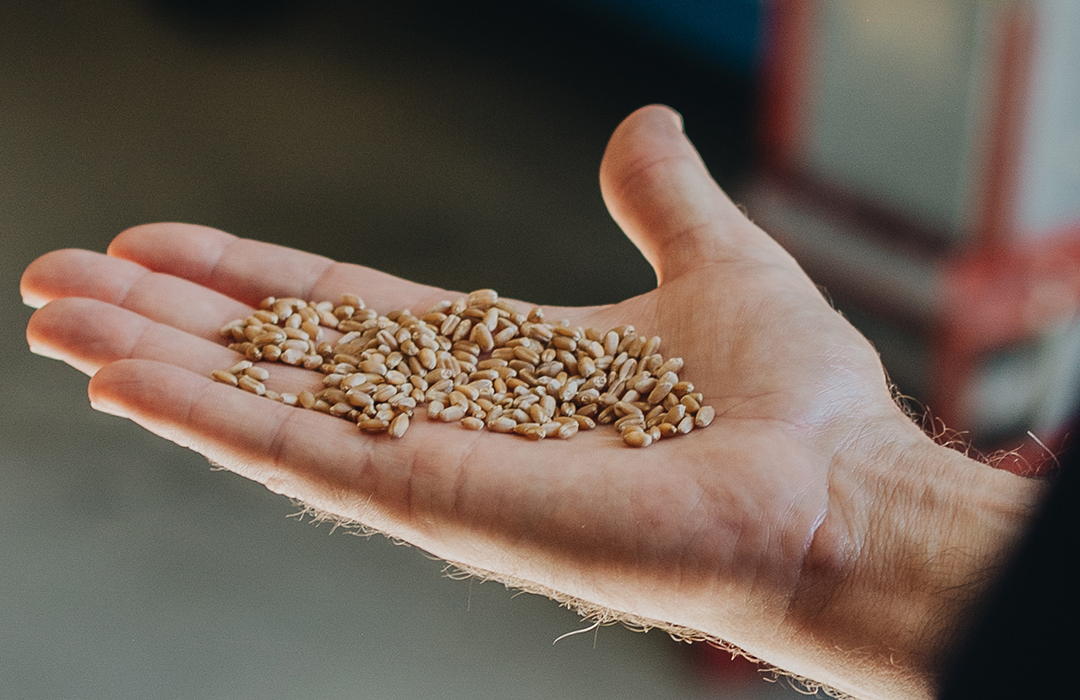
Certified Seed is Field Inspected to Ensure Genetic Identity
The seed certification process was established to ensure that the attributes selected by the breeder are actually delivered in the seed you purchase. The number of generations seed may be multiplied is limited to three generations in the certified seed system: Foundation, Registered, and Certified. This means that certified seed is never more than three generations removed from breeder seed–the purest available. This ensures that the genetic potential that was bred into a variety, the very potential that gives a variety its unique value, is still present in the seed you plant. Certified seed producers must provide proof of genetic identity when they apply for certification. Trained field inspectors then examine each seed field based on the variety characteristics described by the breeder to verify the variety is correct.
Certified Seed is Field Inspected to Ensure Seed Purity
Field inspectors also examine seed fields for other factors that affect purity of the seed such as isolation, the presence of other crops, or other varieties. They also check for a long list of weeds that can impact the purity of the seed. Most crops are inspected once prior to harvest. Some crops, such as dry edible beans, may be inspected twice, first to check flower color for varietal purity and later to check for incidence of seed-borne diseases such as anthracnose and bacterial blight.
Certified Seed is Professionally Conditioned to Ensure Proper Handling
Certified seed must be conditioned at an approved conditioning facility to ensure its high quality. Inspections by the Colorado Seed Growers Association ensure the conditioner has the proper equipment to adequately clean and handle certified seed and maintains proper records on the seed they condition.
Certified Seed is Laboratory Tested
For Purity
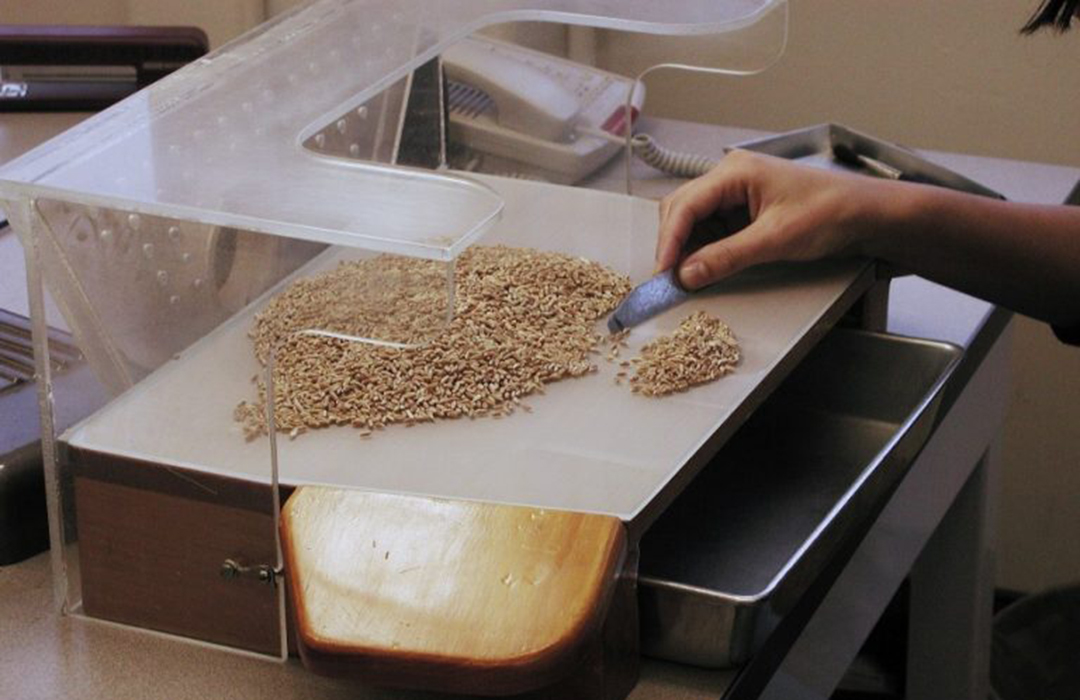
Trained seed analysts examine every conditioned seed lot for physical purity. The purity analysis must be listed on the tag or bulk sales certificate of every lot of certified seed. Certified seed must meet of exceed minimum standards for purity, generally 98%. The percentage of inert matter, other crop seed, and weed seed will also be listed on the seed tag.
For Germination
Each eligible seed lot is tested for germination before it can be called certified seed. Certified seed must meet or exceed minimum germination standards, usually 85%. Seed lots with high test weight, high germination and seedling vigor will generally yield better than lower quality seed. Viability percent must be listed on the seed tag for certified seed.
Always Get a Sales Certificate
Field inspected seed is not certified until it has been lab tested and approved. Ask for a seed tag or bulk sales certificate with every seed purchase to make sure you are getting quality seed.